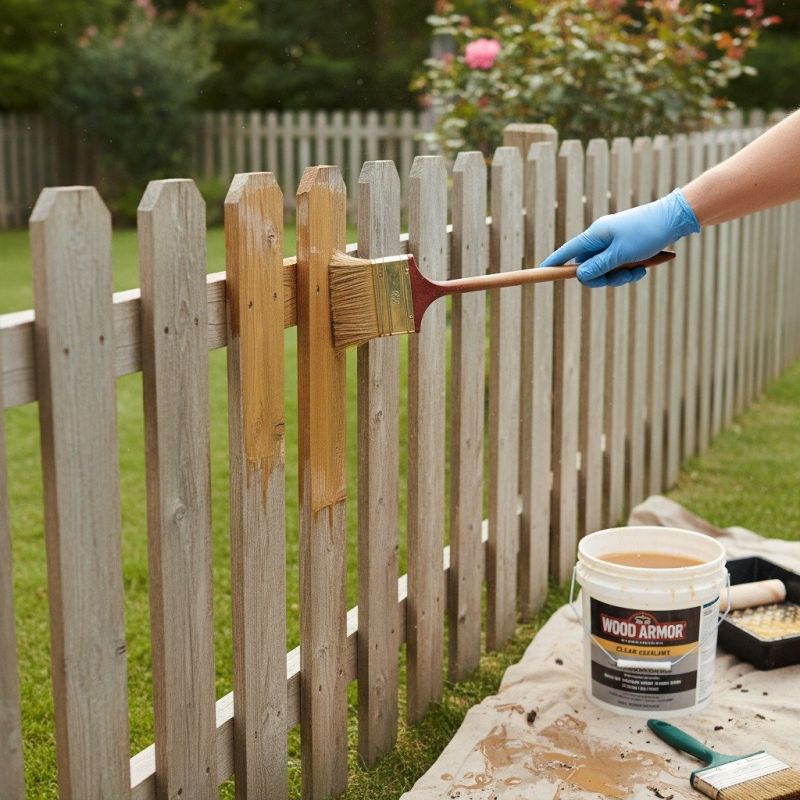
Cedar Fence Sealing in Kitsap County, WA
Cedar fence sealing services involve applying protective treatments to cedar fences to enhance their durability and appearance. This process helps shield the wood from moisture, UV rays, and other environmental factors that can cause warping, cracking, or fading over time. Projects typically include sealing existing cedar fences, whether they are new installations or older structures in need of restoration, as well as maintaining privacy fences or decorative enclosures around residential properties.
Property owners often want to understand how cedar fence sealing can extend the lifespan of their fencing and improve its overall look. It's important to consider the condition of the wood before sealing and to choose a suitable product that matches the fence’s exposure to weather. Proper preparation, such as cleaning the surface beforehand, is also a key factor in achieving the best results. Contacting for more information can help determine the right approach for specific fencing needs.
Many property owners in Kitsap County, WA look into Cedar Fence Sealing for repairs, replacements, upgrades, and appearance-related improvements.
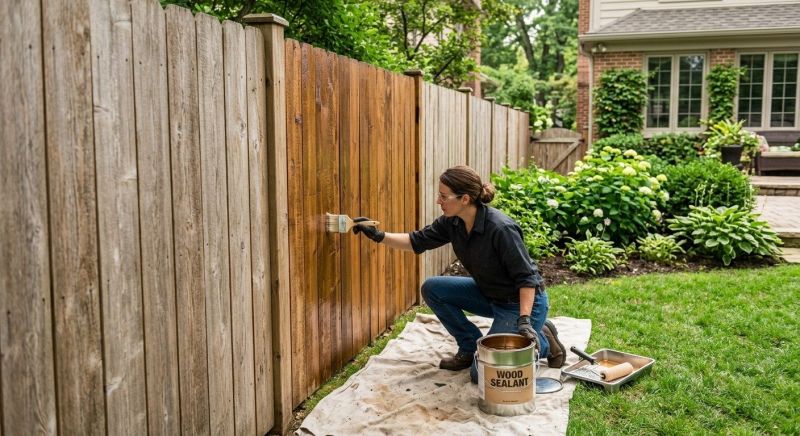
Protecting Cedar Fences
Sealing helps prevent damage from moisture, uv rays, and pests, extending the life of your cedar fence.
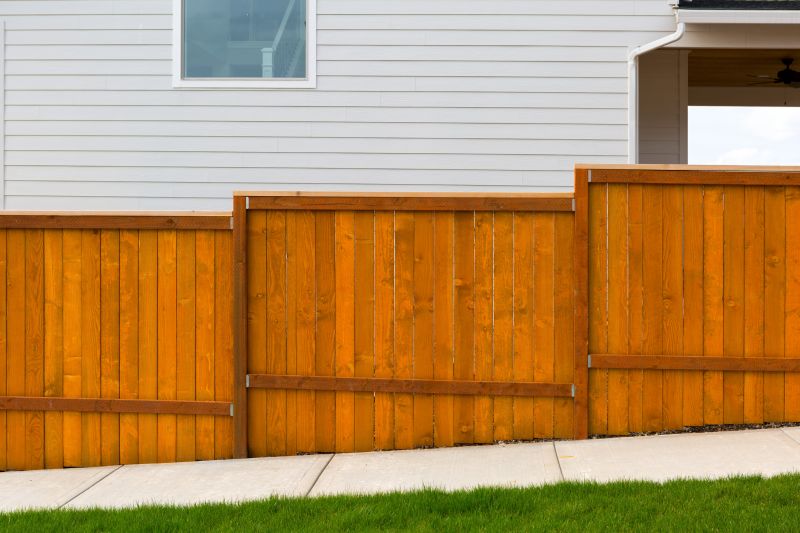
Enhancing Fence Appearance
A proper sealant can improve the natural beauty of cedar wood and keep it looking fresh for years.
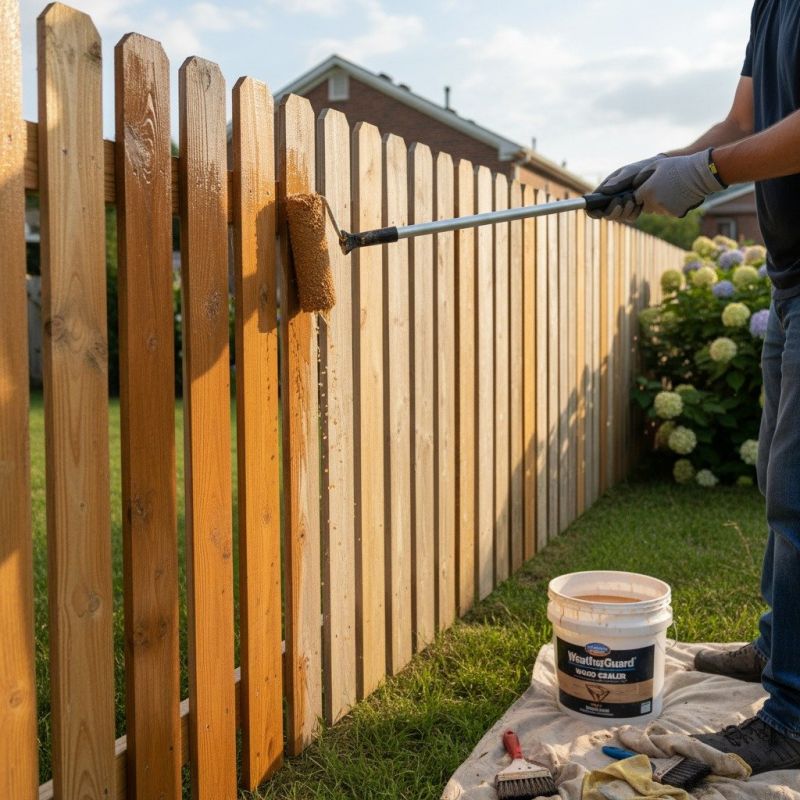
Maintaining Property Value
Regular sealing of cedar fences helps preserve their condition and boosts curb appeal in kitsap county neighborhoods.
Cedar Fence Sealing in Kitsap County, WA
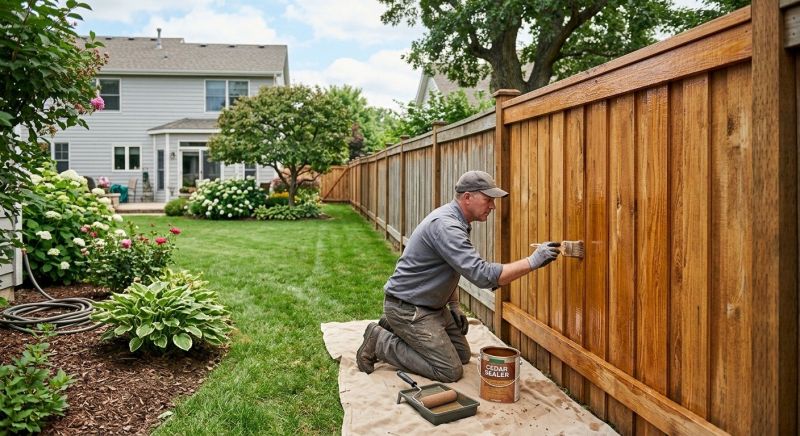
Cedar fence sealing services involve applying protective treatments to cedar fences to enhance their durability and appearance. This process helps shield the wood from moisture, UV rays, and other environmental factors that can cause warping, cracking, or fading over time. Projects typically include sealing existing cedar fences, whether they are new installations or older structures in need of restoration, as well as maintaining privacy fences or decorative enclosures around residential properties.
Property owners often want to understand how cedar fence sealing can extend the lifespan of their fencing and improve its overall look. It's important to consider the condition of the wood before sealing and to choose a suitable product that matches the fence’s exposure to weather. Proper preparation, such as cleaning the surface beforehand, is also a key factor in achieving the best results. Contacting for more information can help determine the right approach for specific fencing needs.
Many property owners in Kitsap County, WA look into Cedar Fence Sealing for repairs, replacements, upgrades, and appearance-related improvements.
Common Cedar Fence Sealing Jobs
Wood Fence Sealing - protects cedar fences from moisture damage and extends their lifespan.
Privacy Fence Sealing - helps maintain the appearance and durability of privacy fences.
Garden Fence Sealing - prevents rot and decay in fences surrounding flower beds and vegetable gardens.
Decorative Fence Sealing - preserves the natural look of cedar for aesthetic appeal.
Fence Post Sealing - guards against wood rot at the base of fence posts.
Custom Fence Sealing - tailored solutions for unique fence designs and materials.
Cedar Fence Sealing Questions
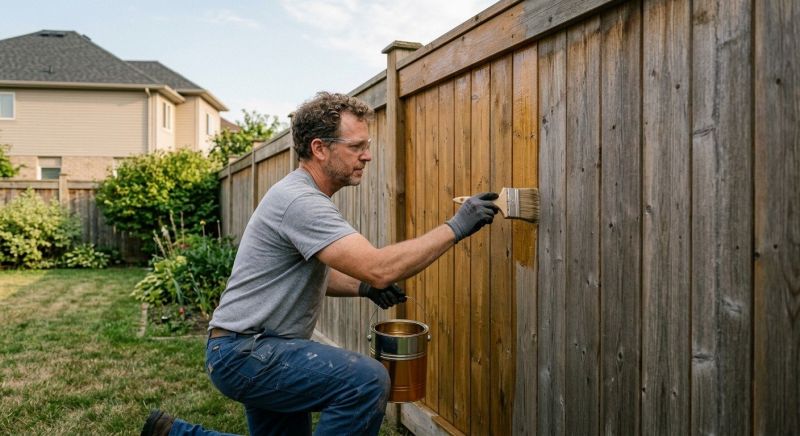
What is cedar fence sealing? Cedar fence sealing involves applying a protective finish to help prevent weather damage, rot, and UV fading, extending the lifespan of the fence.
How often should cedar fences be sealed? It is recommended to seal cedar fences every 2 to 3 years to maintain their appearance and protection.
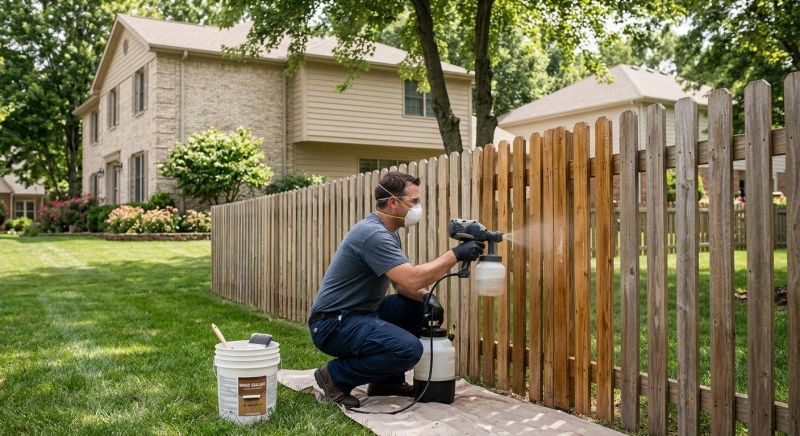
What types of finishes are used for cedar fence sealing? Clear, semi-transparent, and tinted sealers are commonly used to enhance durability and preserve the natural look of cedar.
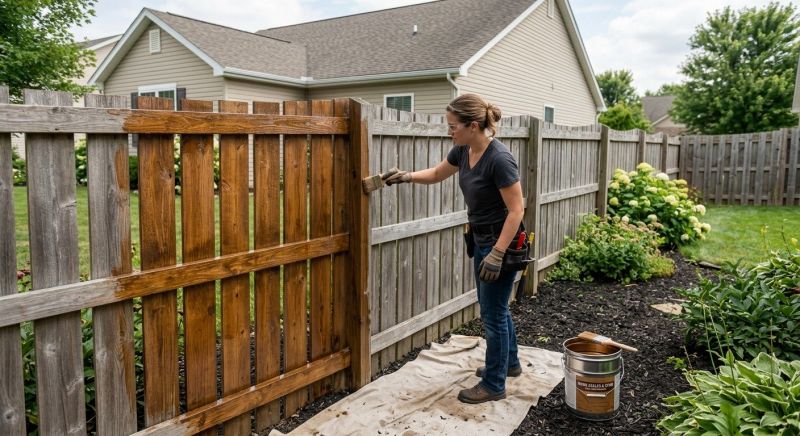
Does sealing improve the appearance of a cedar fence? Yes, sealing can enhance the color and grain of cedar, giving it a fresh and well-maintained appearance.
Request Cedar Fence Sealing in Kitsap County, WA
Use the quote form on this page to share the basics of your project and request more information for the type of work you need.